
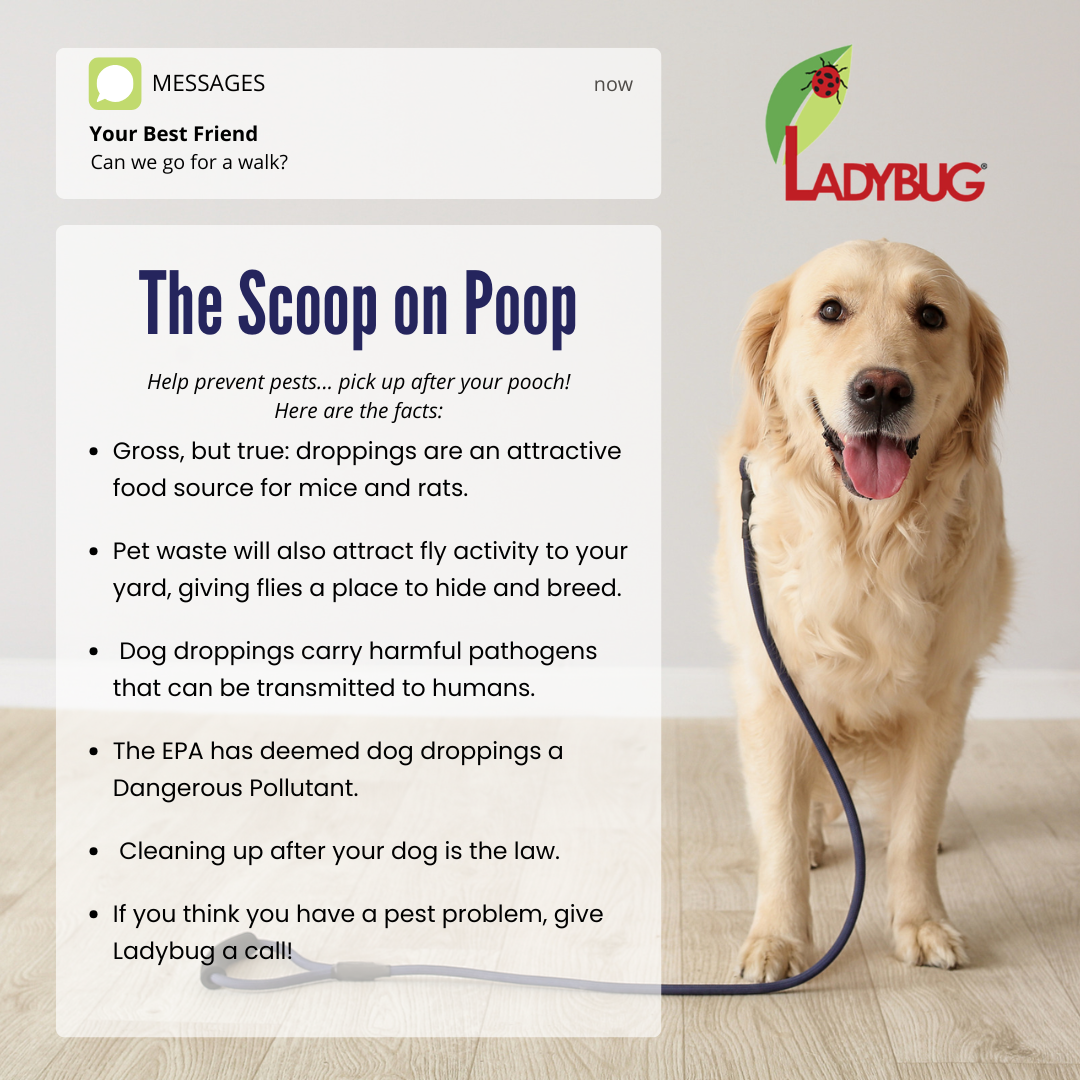
Cleaning up pet waste is an important sanitation practice. Throwing pet waste away helps public health directly by preventing the spread of pathogens that live in pets’ waste, and indirectly by removing food sources for rodents.
“On the South Shore alone, we have more than 16,000 registered dogs from Weymouth to Kingston. According to the Environmental Protection Agency (EPA), the average dog produces approximately ¾ pound of waste per day. If you do the math, that’s more than 12,000 pounds of poop per day and 4.5 million pounds of poop per year – just on the South Shore!”
“…One of the largest pet waste issues is improper disposal. A common misconception is that it is a natural fertilizer and can simply be collected into the garden or flower bed. This is not true. In fact, leaving pet waste on the ground or concentrating it in one specific area of the yard can seriously harm soil quality and can be dangerous for both families and their pets. Cows and horses are herbivores, which makes their waste ideal for use as fertilizer, but dogs are carnivores, making their waste unsuitable for soil enrichment. But that’s not all. In developed areas, waste deposits left on the ground can also serve as a steady, abundant food source for rats and mice.”
From “The Elephant in the Room: Pet Waste on the South Shore” by the North and South Rivers Watershed Association (emphasis ours)
The Environmental Protection Agency has information about pet waste in their Stormwater Best Management Practices.
And here’s the City of Quincy ordinance about pet waste.
Sanitation is important to pest prevention, but even with a spotless home and yard they might show up anyway. If you’re worried about flies, rodents, or any other pests this summer, give us a call!